

In today’s fast-paced educational environment, school principals need efficient, clear communication with their virtual executive assistants (VEAs). These professionals handle various tasks—administration, social media, website content, and more—helping to streamline school operations. However, without solid communication practices, even the best assistant can feel disconnected. Here’s how to ensure effective communication with your VEA and keep your school running smoothly.
1. Set Clear Expectations from the Start
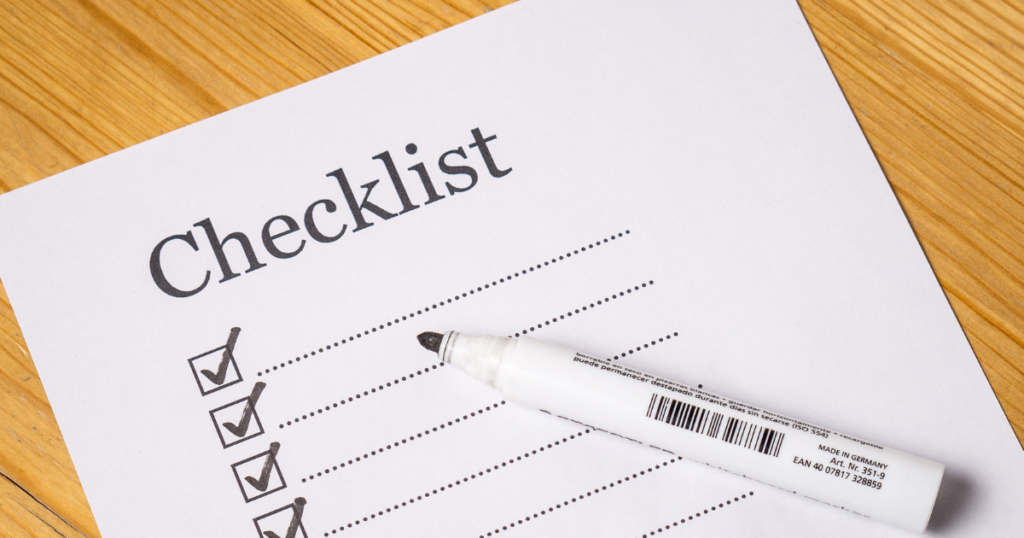
Start by defining the scope of work with your VEA. Outline tasks they’re responsible for, and set deadlines for each. This clarity prevents misunderstandings and keeps both parties on the same page. Plus, with clear expectations, your assistant can better prioritize their workload. Schedule a meeting at the beginning to discuss key tasks and answer any questions they may have.
Tips:
- Create a shared document listing all tasks.
- Regularly update this document to keep it relevant.
2. Establish Consistent Communication Channels

Choosing the right communication tools can make or break a working relationship. Many VEAs work remotely, so using reliable platforms is essential. Whether it’s Slack for daily check-ins or Zoom for weekly video calls, pick tools that support real-time updates. Consistency in communication channels helps foster a reliable work rhythm.
Best Practices:
- Use email for formal updates.
- Rely on instant messaging for quick responses.
- Schedule video calls for detailed discussions.
3. Schedule Regular Check-ins

Frequent check-ins are crucial for maintaining alignment. Weekly or bi-weekly meetings help both you and your VEA stay updated on priorities, challenges, and feedback. These check-ins provide a chance to realign on goals, address potential issues early, and celebrate achievements.
Recommended Frequency:
- Weekly for regular updates and adjustments.
- Monthly for goal reviews and progress assessment.
4. Practice Active Listening

Good communication is a two-way street. By actively listening to your VEA, you show them that their input is valued. This practice builds trust and encourages them to share insights or suggestions. During conversations, avoid interrupting and ask clarifying questions if needed. Your VEA will feel more engaged and invested in their work.
How to Listen Actively:
- Pause after they finish speaking.
- Summarize their points to confirm understanding.
- Ask open-ended questions to encourage deeper insights.
5. Use Visual Aids and Documentation
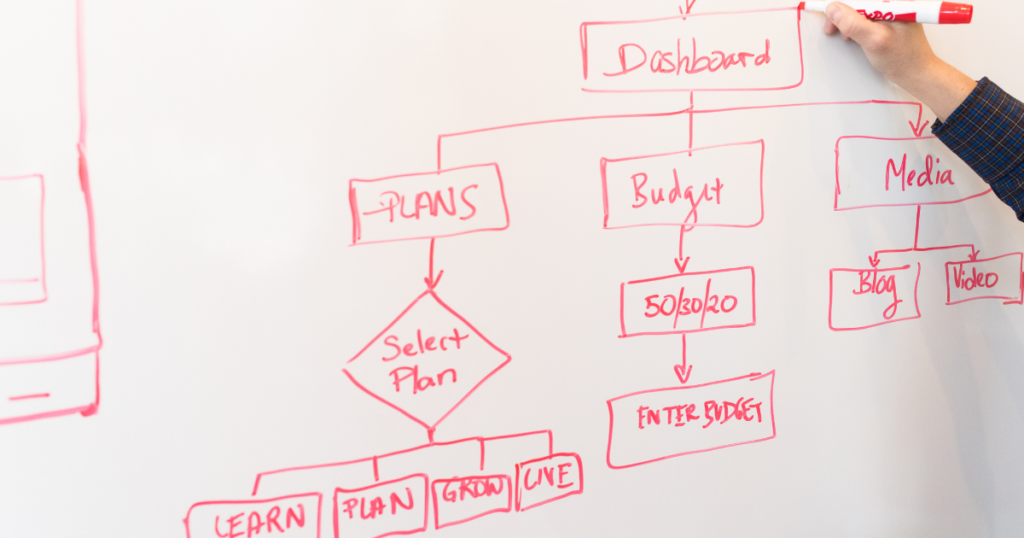
Sometimes, visuals can clarify complex processes better than words. Use flowcharts, infographics, or slides to explain school policies, workflows, or deadlines. When your VEA can visualize a task, they’re likely to complete it more efficiently. Visuals also minimize the risk of misinterpretation.
Examples:
- Use flowcharts for step-by-step processes.
- Use infographics for annual goals or KPIs.
6. Provide Constructive Feedback Regularly

Feedback is a powerful tool in any working relationship. Instead of waiting for an annual review, provide feedback consistently. Celebrate wins, but also offer constructive criticism when necessary. With regular, balanced feedback, your VEA can continually improve and understand areas that need more attention.
How to Give Feedback:
- Start with positives, then move to areas of improvement.
- Be specific about behaviors or outcomes rather than vague comments.
- Encourage questions and suggestions to make the feedback session interactive.
7. Encourage Open Communication

Create a comfortable environment for your VEA to ask questions or raise concerns. Encourage them to share challenges they might be facing with specific tasks. When they know you’re approachable, they’ll feel more empowered to communicate openly, making it easier for both of you to adapt and grow together.
Suggestions:
- Make it clear they can reach out anytime.
- Respond promptly to their questions to build trust.
- Avoid overly formal language if you want to foster a relaxed, open dialogue.
8. Document and Share Important Information

Having a shared resource folder with school policies, guidelines, and other key documents saves time and effort. Your VEA can easily access what they need without interrupting your day for clarifications. Documenting processes and instructions reduces ambiguity, ensuring tasks are completed as expected.
Tools to Use:
- Google Drive for storing important documents.
- Notion or Asana for organizing tasks and resources.
9. Be Clear with Deadlines and Priorities

Deadlines and priorities should be well-defined for each task. Specify due dates and outline which projects require immediate attention. This approach allows your VEA to allocate their time efficiently, ensuring they meet critical timelines and contribute effectively to your school’s success.
Ways to Ensure Clarity:
- Use a project management tool to assign deadlines.
- Create priority levels for tasks (e.g., high, medium, low).
10. Review and Adjust Communication Practices Periodically

Over time, your needs and priorities may change. Make it a habit to periodically review your communication practices with your VEA. Are there tools that could improve workflow? Is there a need for more or fewer meetings? Adjust as needed to keep your communication efficient and effective.
Recommended Timeframe for Reviews:
- Quarterly to ensure continuous improvement.
Conclusion
Building a productive relationship with your virtual executive assistant starts with effective communication. By setting clear expectations, choosing reliable communication channels, and providing regular feedback, you can ensure that your VEA supports your school’s operations seamlessly. Remember, a well-informed assistant is a more effective one, so keep the lines of communication open and positive.
For principals looking to streamline school management and improve efficiency, partnering with Edu Virtual Support can be a game-changer. Reach out to learn more about how a skilled VEA can support your school today